
Loading...
Serving Signal Hill, CA and surrounding areas. (626) 416-2675
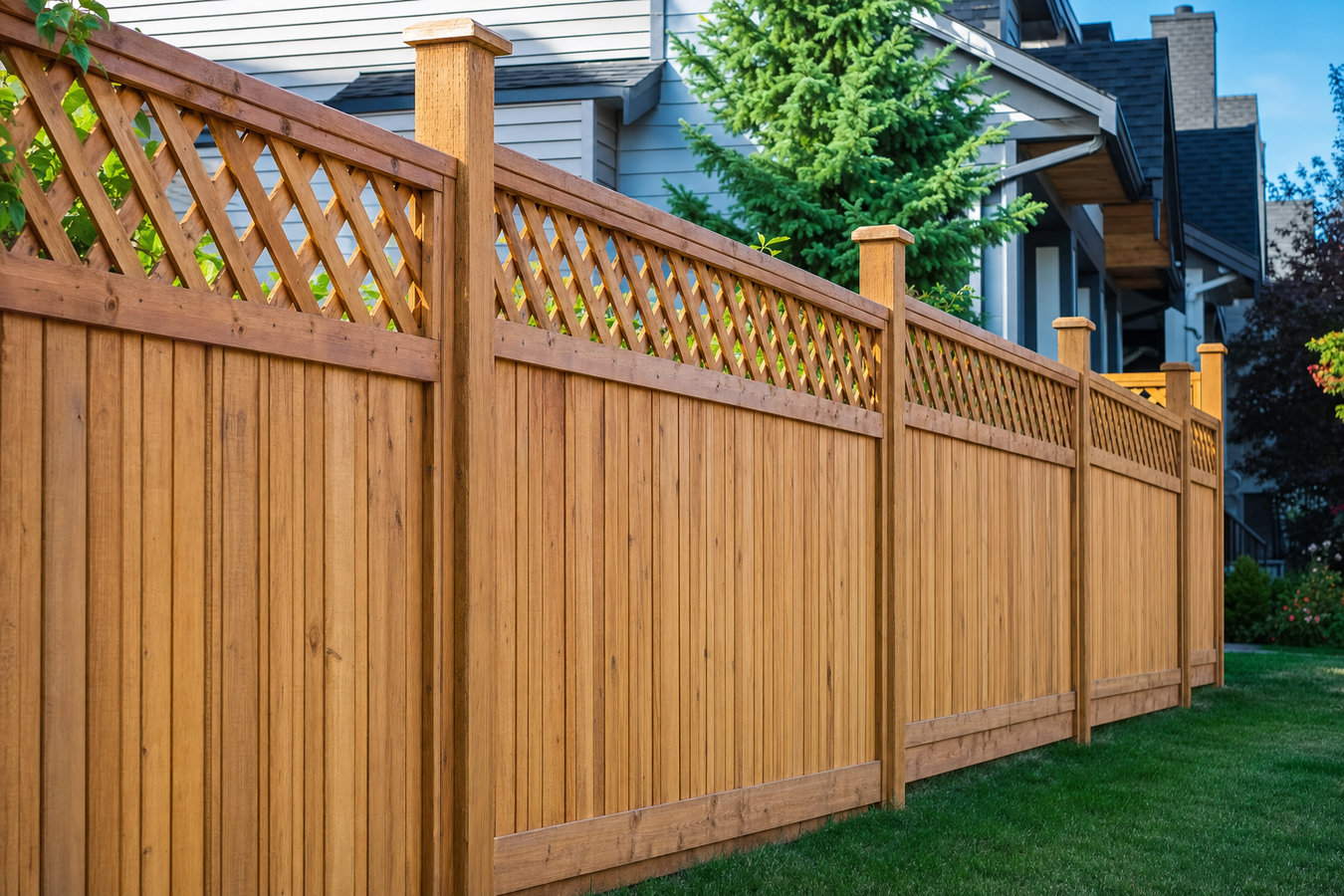
You want the warmth and character of a real wood fence that stands straight, handles coastal moisture, and does not start falling apart two years after install.
Wood and privacy fence installation in Signal Hill means choosing coastal-appropriate lumber - typically western red cedar or pressure-treated pine - setting posts in concrete footings deep enough for hillside soil, and racking or stepping panels to follow your lot grade. Most residential installs run one to two days once materials are on site.
Wood fencing is still the most popular choice for privacy in Signal Hill because nothing else quite matches the look and warmth of real lumber. Cedar is the preferred species for this coastal climate - it naturally resists moisture and insect damage and holds a stain evenly, which matters for long-term appearance in an area that sees morning marine layer most of the year. If you are comparing wood against a zero-maintenance alternative, our vinyl fence installation page covers the tradeoffs honestly so you can make the right call for your property.
Wood fence failure in coastal areas is almost always a fastener and footing problem, not just a material problem. Galvanized or stainless hardware prevents the rust streaks that stain cedar within a year or two. Concrete post footings set at the right depth keep posts from shifting in Signal Hill's hillside soil. The installation details matter as much as the wood species.
Press your thumb against the base of the fence boards - if the wood is soft or compresses, rot has set in. Rot at the base of fence boards is caused by sustained moisture contact, which is common in Signal Hill where coastal air keeps the lower portion of fences damp longer than inland areas. Soft boards at the base cannot be repaired by painting over them.
A post that moves when you push it has either lost its concrete footing anchor or rotted at ground level. Posts are the structural foundation of the fence - a wobbling post will not straighten on its own, and the fence panels attached to it will continue to lean and eventually fall. Replacing one post early is a repair; replacing a section after it falls is a bigger job.
Horizontal fence rails hold the vertical boards in alignment. When rails crack or split through, the boards they carry start to splay outward or lean, and the fence loses its straight line. Cracked rails in a section often indicate the wood has dried out from repeated wet-dry cycles - a pattern common in Signal Hill's climate year-round.
Orange or brown streaks running vertically down the fence boards indicate that the nails or screws holding the fence together have begun to rust. This is a fastener problem, not just cosmetic - rusting fasteners weaken their hold over time and will eventually lose grip entirely. Rust staining also signals that moisture is staying in contact with the hardware long enough to corrode it, which shortens the life of the whole fence.
We install cedar privacy fences, board-on-board fences, shadowbox fences, and split-rail styles for residential properties throughout Signal Hill. Every install uses concrete footings - not gravel or packed dirt - because posts set in concrete hold straight through rain, dry spells, and soil movement on hillside lots. All hardware is galvanized or stainless to prevent the rust staining that spoils the look of cedar within one or two rainy seasons. For homeowners who want to add a screened or covered outdoor living space adjacent to the new fence, screened-in porches and screened decks is a natural next step that we can plan together as a single project.
Grade changes on Signal Hill lots are handled through racking or stepping. For cedar board-on-board and dog-ear privacy fences, racking follows the slope continuously and gives the most finished look on a gradual grade. Steeper grades or certain cap-and-trim styles are better served by stepping, where panels descend in level sections. We assess both approaches on the site visit and walk you through what will look best on your specific lot before any materials are ordered.
Full-height cedar boards with no gaps - the standard choice for homeowners who want complete privacy and the natural look of real wood.
Alternating boards on both sides of the rails for a sturdy, attractive fence that looks finished from both sides - a good fit for shared property lines with neighbors.
Alternating boards with slight gaps that allow airflow while still blocking direct sightlines - popular for side yards where air circulation reduces moisture buildup on the wood.
A cost-effective option for homeowners who plan to paint or stain the fence - treated lumber resists ground moisture and insect damage when properly maintained.
Signal Hill's coastal position means fences here take more moisture than most of Los Angeles. The morning marine layer moves in from the ocean and settles over the city, keeping the base of fences damp for hours most mornings. That consistent moisture is why untreated or poorly sealed wood fences in this area fail at the boards and posts faster than fences in drier parts of the county. Cedar is the right choice because of its natural oils, and sealing the fence within the first few months of installation - and every two to three years after that - is the most important maintenance task for a long-lasting wood fence. We serve homeowners in Compton, CA and Hawthorne, CA with the same attention to coastal and local soil conditions.
Hillside lots in Signal Hill also mean that wood fence installation here requires more planning than a standard flat-lot job. Grade changes affect how rails and posts are set, how water drains away from the base of the fence, and how the finished fence looks from the street. We do not skip the site visit and price from photos - the cost and the approach both depend on what the actual lot looks like, and that requires a walkthrough.
We respond within one business day and schedule a free on-site estimate. We walk the fence line, measure the run, assess grade changes, and note any soil or access conditions that affect the install approach and cost.
You receive a written estimate that covers all materials, concrete footings, hardware, labor, and permit fees if applicable. We go through wood species options - cedar versus treated pine - and fence style so you understand exactly what you are getting before signing anything.
We check Signal Hill fence permit requirements and handle the application if needed. Materials are ordered from our supplier and we confirm your installation date once the job is scheduled - no surprises on timing.
Most jobs are completed in one to two days. Posts are set in concrete, rails and boards are installed with galvanized or stainless hardware, gates are hung and adjusted, and the site is left completely clean - no lumber scraps, no concrete bags, no debris.
On-site visit, written quote, no pressure. We respond within one business day.
(626) 416-2675We specify western red cedar and galvanized or stainless fasteners because the coastal marine layer in Signal Hill corrodes standard steel hardware and degrades untreated pine faster than inland conditions. The right material specifications are what separate a fence that lasts from one that needs attention again in three years.
Every post we set goes into a concrete footing. Some contractors use gravel or packed dirt to save time - those posts shift in Signal Hill's hillside soil and start leaning within a few years. Concrete footings at the correct depth for the post height are the reason our fences stay straight over the long term.
We have installed wood fences throughout Signal Hill's hillside neighborhoods and understand how grade changes, soil composition, and drainage direction affect post placement and panel alignment. A site visit before every quote is not something we skip - it is the only way to install correctly on a sloped lot.
We are a state-licensed and fully insured contractor registered with the California Contractors State License Board. That matters when permits are involved and when something needs to be made right - licensed contractors are accountable in ways that unlicensed operators are not.
We have been building fences and decks in Signal Hill and the surrounding South Bay communities since 2018, which means we know the permit process, the soil conditions, and the specific ways coastal weather wears on outdoor structures here. Our workmanship guarantee covers every installation - if a post shifts or a rail cracks, we come back and fix it.
Covered screened enclosures attached to the house or deck that extend your outdoor living space year-round without insects or direct sun.
Learn MoreZero-maintenance vinyl fencing in privacy, semi-private, and picket styles - a practical alternative to wood for homeowners who want to eliminate the repainting and resealing cycle.
Learn MoreInstallation slots book quickly in spring and summer - contact us today to schedule your on-site visit and lock in your date.