
Loading...
Serving Signal Hill, CA and surrounding areas. (626) 416-2675
Your sloped yard or aging deck deserves a proper rebuild - not a patch job. We build pressure-treated wood decks in Signal Hill with full permit handling and seismic-code framing.
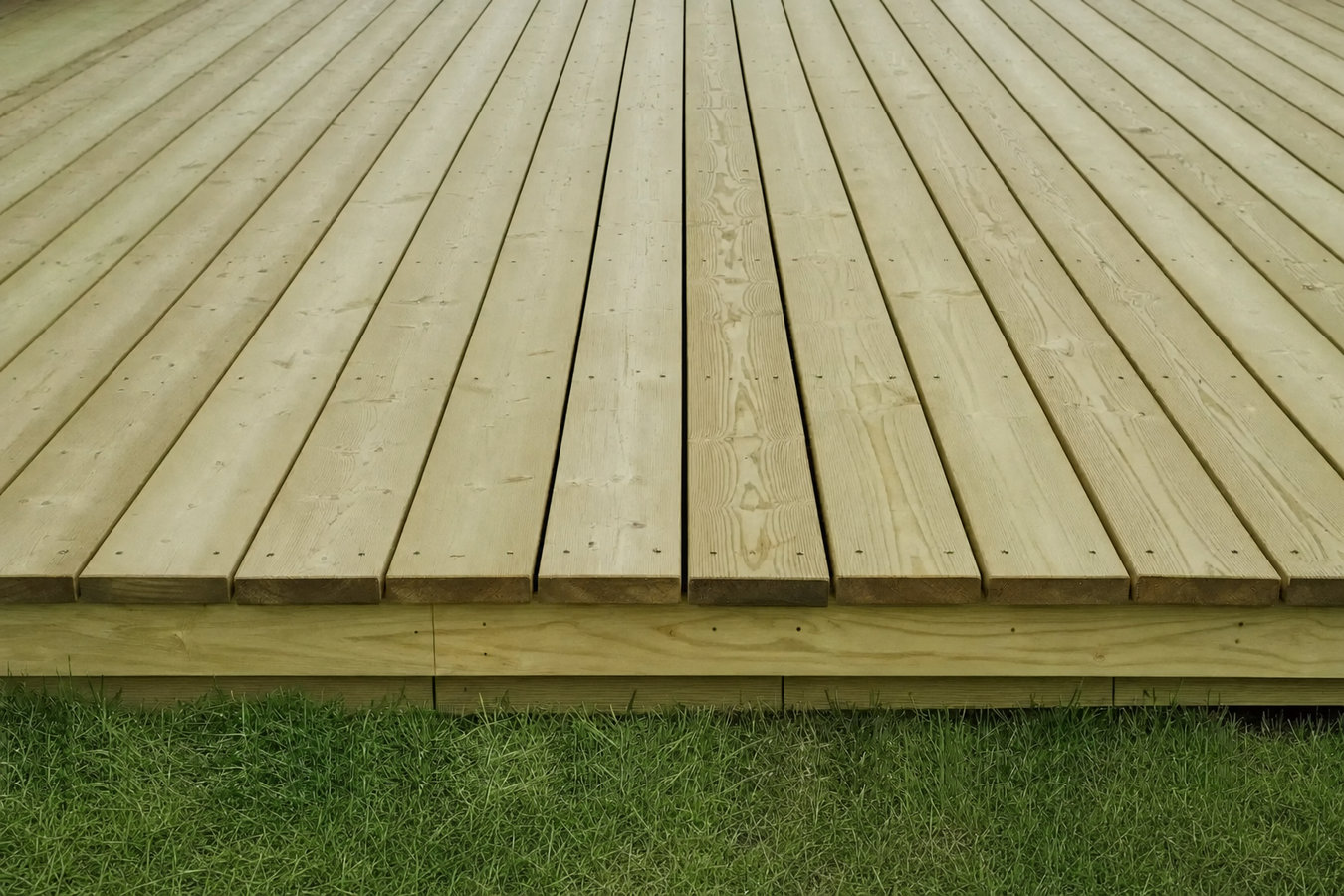
Pressure-treated wood deck construction in Signal Hill means setting concrete footings, building a structural frame of beams and joists from rot-resistant treated lumber, laying the deck boards on top, and completing a city-permitted inspection process; most new builds run two days to two weeks of active construction depending on the size and whether the lot is flat or elevated.
Pressure-treated lumber is the most common framing material for outdoor decks in Southern California because it's resistant to rot, fungal decay, and wood-destroying insects. A well-built deck using quality treated lumber can last 25 to 40 years with routine care - which makes it a genuine long-term investment rather than something you're going to have to redo in a decade. If you're weighing wood against composite material, cedar wood deck construction is another natural wood option worth comparing before you decide.
The frame is what determines how your deck performs over its lifetime. Properly spaced joists, footings that reach stable soil, correctly sized hardware at every structural joint, and a ledger connection that meets California's seismic requirements - those are the things that separate a deck that holds up for 30 years from one that starts bouncing and pulling away from the house within a few seasons.
If boards flex more than they used to, feel spongy when you step on them, or have visible cracks along the grain, the wood has begun to decay from the inside out. In Signal Hill's climate, this accelerates on decks that haven't been sealed regularly because intense sun dries the wood out and opens it to moisture intrusion. A deck that feels soft underfoot is a safety issue, not just a cosmetic one.
Give your deck railing a firm push. If it moves more than a tiny amount, or if the corner posts flex when you shake them, the structural connections have loosened or the posts have begun to rot at the base. This is especially common in Signal Hill homes where older decks were built with posts set directly in soil - a method that leaves wood vulnerable to ground moisture over time.
Many Signal Hill homes sit on hillside lots where the backyard drops away from the house, leaving a yard that's technically there but practically unusable for outdoor living. A raised deck built off the back of the house can turn that slope into a comfortable outdoor space - and in a city where lot sizes are small, that usable square footage makes a real difference.
If there's a deck in your backyard but no permit record for it, that situation is worth addressing before it becomes a problem at sale time. Unpermitted decks in Signal Hill can surface during a home sale inspection, and some buyers' lenders require them to be brought up to current standards before closing. Rebuilding with a proper permit resolves the issue cleanly.
We build pressure-treated wood decks from the ground up - footings, framing, decking, stairs, and railings - and handle every step of the Signal Hill permit process from submittal through final inspection. For homeowners on flat lots, that's a relatively straightforward process. For homeowners on Signal Hill's hillside lots, it means designing for elevation: taller posts, deeper footings, and structural hardware sized for the load. Every project gets a written, itemized estimate before any work starts, so there are no surprises when the invoice arrives.
We also handle deck demolition when an existing structure needs to come down before the new build starts. If you want to keep the natural wood look but want something that requires less maintenance over time, our deck staining and sealing service is a good complement to a new pressure-treated build - it's what you'll want to schedule once the wood has had six months to dry and settle.
For Signal Hill homes with relatively level backyards where a ground-level or low-elevation platform will work with the existing grade.
Designed for Signal Hill's sloped properties where the deck needs to be built higher off the ground to create a usable level surface.
Tear-out of an existing structure followed by a complete new build - the right choice when the old frame is too far gone to save.
Complete builds that include code-compliant stair runs and railings for decks that are elevated above grade and require safe access and perimeter protection.
Signal Hill gets roughly 280 sunny days per year, and that sustained UV exposure accelerates the weathering of wood surfaces faster than national averages suggest. A south- or west-facing deck here can dry out and crack more quickly than it would in a cooler, cloudier climate. That makes the choice of quality treated lumber - and the timing of your first sealer application - more important than it would be inland. Signal Hill's compact hillside lots also mean many builds require elevated framing, and the city's oil field history means some lots have soil that requires footings to go deeper than a standard build would assume. A contractor who hasn't built in Signal Hill before may not think to ask about these things.
California also requires that decks attached to a home be designed to move with the house during an earthquake - and Signal Hill inspectors enforce that requirement. Homeowners in Lakewood, CA face similar seismic requirements but typically have flat lots, while properties in Downey, CA share the UV exposure without Signal Hill's hillside terrain. Each of these factors - slope, soil, sun, and seismic requirements - shapes how a quality build is designed and priced here.
Call or fill out our form and describe your goals - deck size, height off the ground, stairs, railing style. We reply within one business day and schedule a site visit to take measurements and assess your yard.
We visit your property, measure the space, check the slope and soil conditions, and walk through your options. You receive a written estimate that separates labor, materials, and permit fees - so you can compare it clearly against other quotes.
We submit plans to Signal Hill's Building Division and handle the review process - typically one to three weeks. You don't need to visit city hall. We keep you updated and notify you as soon as the permit is approved and we can schedule construction.
We set footings, frame the deck, and pass the required mid-construction inspection before boards go down. Once the decking, stairs, and railings are complete, we request the final city inspection, then walk you through the finished structure and hand over all permit documentation.
We'll visit your yard, review your terrain and goals, and give you a written, itemized estimate before anything else happens. No obligation.
(626) 416-2675Signal Hill's sloped terrain means elevated deck framing is routine for us - not a special case. We design for your specific grade, give you a realistic quote based on what your yard actually requires, and build the right footings for local soil conditions before any boards go down.
California requires that decks attached to a home be designed to move with the house during an earthquake. We build ledger connections that meet those requirements and get them inspected - so your deck stays where it belongs when the ground moves.
Signal Hill handles its own permits separately from Long Beach. We know the city's submittal process, review timeline, and inspector requirements. Your project won't stall because we submitted the wrong form or missed a local requirement.
We carry an active California Contractors State License Board license and full insurance on every project. Every proposal we deliver separates labor, materials, and permit costs - so you know exactly what you're paying for before anyone picks up a shovel.
The California Contractors State License Board makes it easy to verify any contractor's license status before you sign anything - we encourage every homeowner to check. When you combine verified licensing, local permit knowledge, seismic-code framing, and a transparent pricing process, you get a deck that's built right, fully legal, and exactly what you paid for.
A premium natural wood option with a distinctive appearance and natural rot resistance - worth comparing against pressure-treated for your Signal Hill build.
Learn MoreSchedule a professional stain and seal once your new pressure-treated deck has had six months to dry and is ready to accept a finish coat.
Learn MorePermit review takes time - the sooner you reach out, the sooner we can get your project on the schedule and your yard working for you.